How to organize a cremation?
* Attention! This text has been translated using neural networks. If you notice an inaccuracy or would like to supplement the article, please report it in an email to: content@death.today.
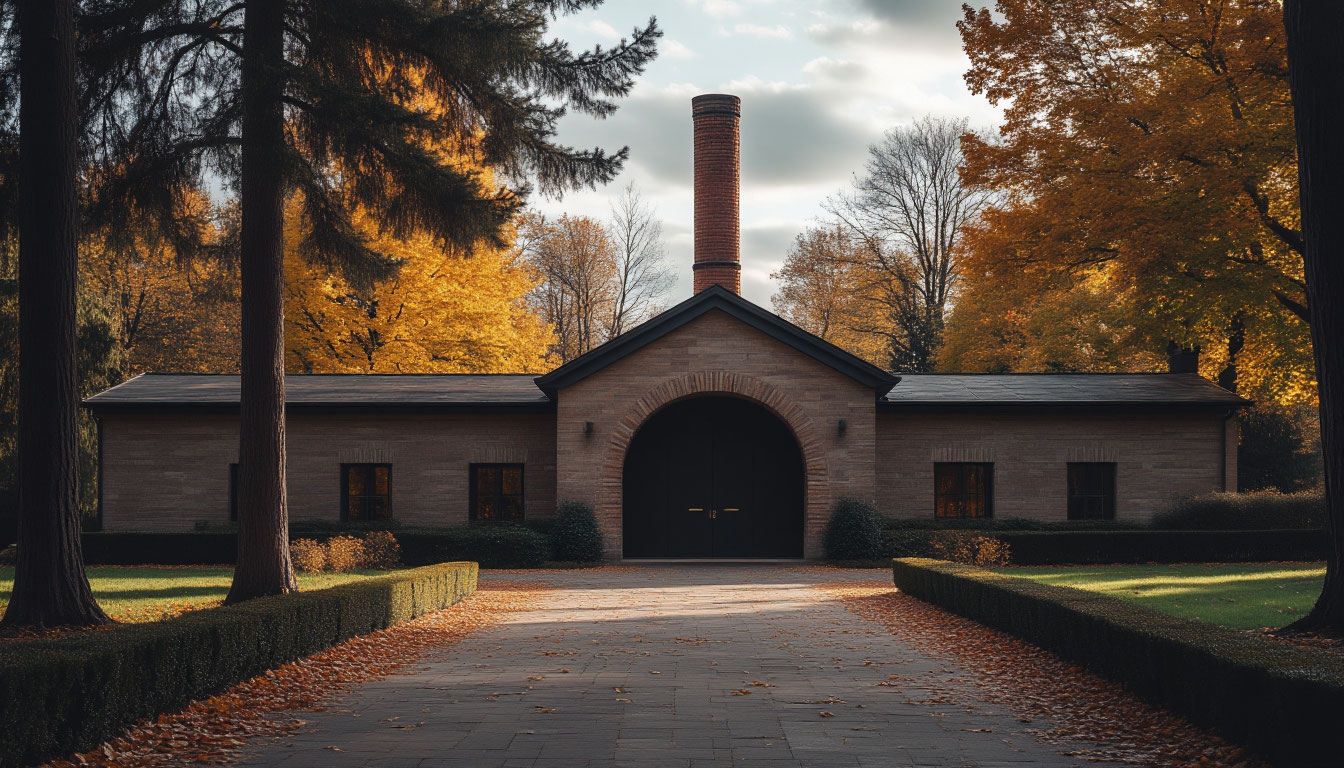
Losing a loved one is a difficult experience, often accompanied by the need to make decisions and organize a farewell. One burial option is cremation. This article contains general information about this process, designed to help navigate the main stages.
It is important to understand that each country, region, and even city may have its own specific rules, requirements, and documents for organizing a cremation. This article describes universal logical steps, but for precise planning, it is advisable to clarify details with local funeral services or directly at the crematorium. It should also be noted that religious aspects of cremation may be interpreted differently in various faiths, and this article does not address specific religious rites.
The material focuses specifically on organizing a cremation as one type of burial. If you are interested in what to do in the first hours after a person's death, you may refer to other articles on our website, such as "What to do if a person dies at home?" or "What to do if a person dies in a hospital?".
The description of the approximate order of actions in the article begins from the moment when the responsible person already has the official death certificate in hand. This document is usually issued by the civil registry office on the basis of a medical conclusion.
What is cremation?
Cremation is the process of subjecting the body of the deceased to fire in a special furnace (cremator) at a very high temperature (usually from 800 to 1200 °C). The result is cremated remains (cremains), which are not ash but crushed bone fragments. This process typically takes from one and a half to two hours.
After cremation, the cremains are placed in a temporary container and then into an urn chosen by the loved ones. It is the urn with the cremains that is subsequently subject to burial, placement in a columbarium, or storage in accordance with local legislation and the family's wishes.
Historically, cremation has been practiced since ancient times, and in the modern world it has become a common alternative to traditional in-ground burial, regulated by relevant sanitary and environmental norms.
How to choose a crematorium?
The choice of a crematorium is often determined by its geographical accessibility. In large cities there may be several, while in regions this service may be provided by only one specialized institution.
If there is a choice, it is advisable to consider several factors:
- Location. Convenience for organizing transportation and for relatives who will attend the ceremony.
- Farewell facilities. It is worth finding out if the crematorium has chapels, what their capacity is, and whether a religious rite can be conducted there.
- Reputation and reviews. It may be helpful to inquire about other people's experiences or consult with funeral directors.
- Transparency of terms. It is recommended to clarify in advance the list of services provided, their cost, technical requirements for the coffin and inclusions, as well as the timeframe for the release of the cremains.
You can contact the crematorium directly or through specialized funeral services. The first call or visit helps clarify the main organizational questions and form a preliminary idea of the upcoming steps.
How to organize a cremation independently?
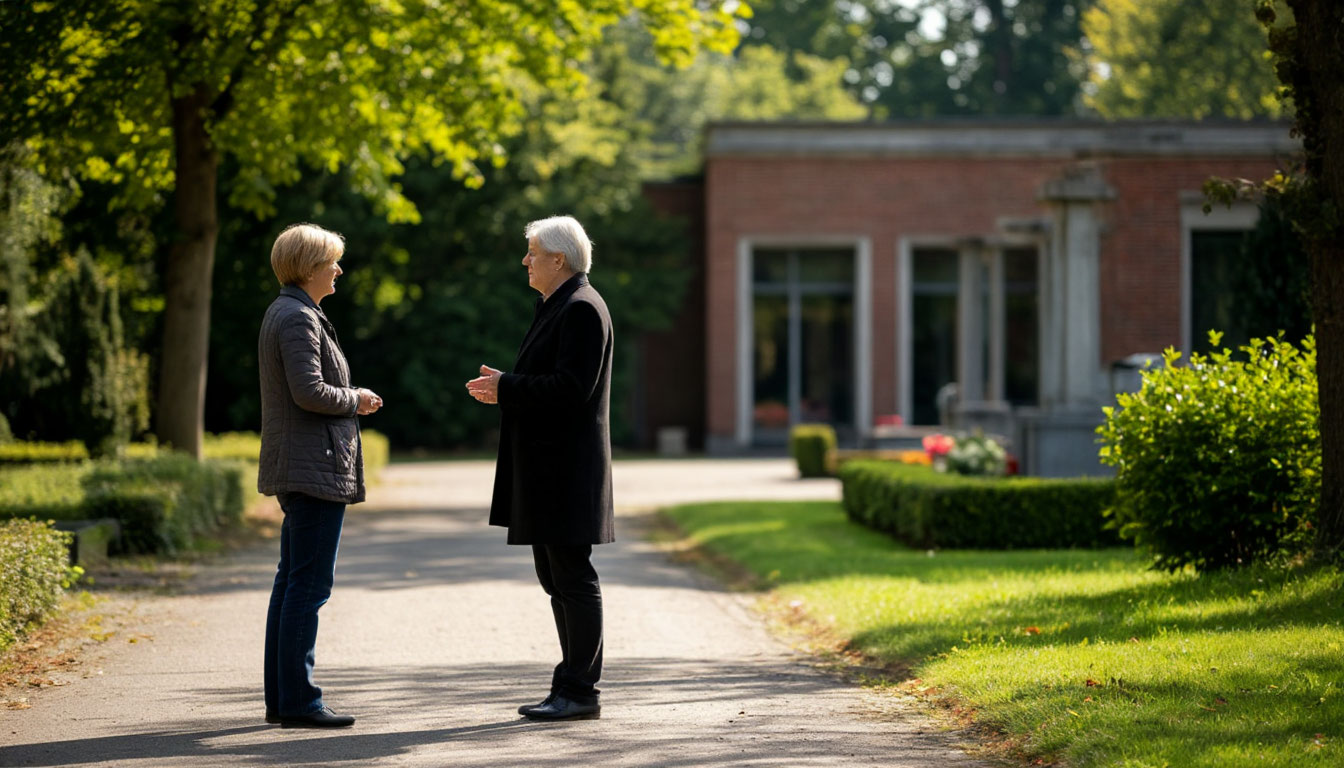
Organizing a cremation independently requires time, effort, and attention to detail. This path may be chosen for full control over the process and costs. The main stages that usually need to be completed are as follows.
- Contacting the crematorium. After obtaining the death certificate, it is advisable to contact the chosen crematorium. There you can clarify the complete list of required documents, technical requirements (e.g., for the coffin material, which should be combustible and without metal parts), available dates and times for the procedure, as well as the cost of services.
- Preparing documents. In addition to the main death certificate, depending on the circumstances, additional permits may be required (for example, in the case of a violent death). Also, the crematorium usually signs a service agreement and provides a receipt for payment.
- Acquiring funeral supplies. Cremation requires a special coffin that meets the crematorium's technical standards. It is usually permissible to place inclusions in the coffin, but items made of glass, metal, and plastic that could damage the equipment should be avoided. Specific requirements should always be verified with the chosen crematorium. It is also advisable to purchase an urn for the cremains, clothing for the deceased, and other traditional accessories.
- Organizing transportation. It is necessary to arrange in advance for transportation to move the body from the morgue to the crematorium on the appointed day and time. Specialized services often provide this service.
- Planning the farewell ceremony. It is necessary to decide where and how the farewell will take place: in the chapel of the morgue, at the crematorium, in a church, or another location. If necessary, you should coordinate the time for hall rental, invite a representative of a religious denomination, and arrange transport for relatives and close ones who will attend the ceremony.
- Receiving the cremains. After cremation, which usually occurs within 24 hours of the farewell, it is necessary to collect the urn with the cremains. This requires presenting documents and the cremation certificate issued by the crematorium. The timeframe for the release of cremains can vary from one to several days.
It is important to remember that at all stages, especially when preparing documents and the body, interaction with the morgue where the deceased is located may be required.
How to organize a cremation through a funeral agency?
Contacting a specialized funeral service is a path that allows delegating most organizational tasks to professionals. This option is often chosen to reduce the psychological burden during the period of grieving and to save time.
When collaborating with an agency, its representatives typically take on the following functions:
- Consultation and plan creation. The agent helps understand the sequence of steps, informs about necessary documents, and suggests options for organizing the ceremony within a given budget.
- Interaction with official authorities. Assistance in obtaining necessary certificates and documents, interaction with the morgue and crematorium.
- Solving logistical issues. Organizing body transportation, ordering and delivering funeral supplies (special coffin, urn, clothing, wreaths).
- Formalizing the agreement with the crematorium and assisting with payment for services.
- Support in organizing the ceremony. Assistance in booking a hall, inviting a representative of a religious denomination, organizing transport for relatives and close ones.
- Receiving and handing over the cremains to relatives.
When choosing a funeral agency, it is worth paying attention to its reputation and the possibility of signing a contract that outlines all services provided and their cost. This helps avoid misunderstandings and unforeseen expenses later.
Where and in what to store cremains?

After cremation, the urn with the cremains is handed over to relatives or responsible persons. The question then arises of what to do with the cremains. Options depend on local legislation, available infrastructure, and the family's personal preferences.
Main options for placing the urn with cremains:
- Columbarium. This is the most common option. A columbarium is a special structure (wall, building) with niches (compartments) where urns are placed. Niches can be sealed (walled up) or open (behind glass). Usually, a fee is charged for placement, which includes space rental and maintenance. A memorial plaque with the name and dates of life is often placed on the facade of the niche.
- Ground burial. The urn with cremains can be interred in a cemetery plot. This could be a separate plot for urn burial (smaller than for a coffin) or an interment in an existing family grave, if local rules permit. In this case, installing a monument or gravestone may also be required.
- Home storage. In some countries, legislation permits storing an urn with cremains in private possession, for example, at home. However, this matter requires special attention: it is necessary to study local legal norms, as well as consider the ethical and emotional aspect of such a decision for the family.
- Other methods. There are also alternative options, such as scattering the cremains in specially designated areas (in a forest, over water, etc.), bio-urns for growing a tree, or even transforming the cremains into a memorial art object (for example, a diamond). Important: many of these methods are regulated by law, and some religious denominations may not approve of them. Implementing non-standard options requires thorough preliminary preparation and obtaining permits.
The choice of a suitable urn (material, design, size) is usually made at the funeral agency or directly at the crematorium.
Is it possible to be present during the cremation?
Practices may differ among crematoria, but there are general principles.
Typically, the farewell ceremony concludes in the chapel. After the coffin is closed, it is transported to a technical area. Relatives are not allowed near the furnace itself, near the open fire, due to safety and technological process considerations.
However, many modern crematoria offer the possibility of symbolic presence. For this purpose, a special viewing room, separated from the furnace hall by glass, is provided. From there, relatives can see the coffin being moved to the entrance of the cremation chamber and observe the moment it goes inside. After that, the furnace door closes, and the actual burning process is not visible.
Some institutions may offer observation via video broadcast on a screen in a separate room.
It is important to understand that this is an optional, not a mandatory, part of the ceremony. Many families prefer to say goodbye to the deceased in the chapel and not be present during the technical stages. To learn about such an opportunity and book it, you need to do so in advance when coordinating details with the crematorium administration or funeral director.
Who can be invited?
A crematorium is primarily a technological facility, not a place for a large gathering, like, for example, a cemetery. Farewell facilities (chapels) at crematoria usually have limited capacity.
Therefore, the farewell ceremony before cremation is usually made more intimate. The closest people are invited: family members, closest relatives, and friends. This allows for a more focused and personal atmosphere for the farewell.
When planning, it is advisable to clarify in advance with the crematorium or funeral director the maximum number of people the hall can accommodate. This helps avoid awkward situations and ensure comfort for all present. If the circle of those wishing to say goodbye is large, one may consider holding a separate memorial service or gathering in another, more suitable location (for example, in a funeral home chapel, a church, or a cafe), and go to the crematorium with a smaller group.
It is also important to decide in advance on the possible presence of a representative of a religious denomination to conduct a religious rite, if planned. Their participation needs to be coordinated in time with the crematorium's schedule.
Conclusion
Organizing a cremation is a process consisting of sequential steps: from choosing a crematorium and gathering documents to conducting the farewell ceremony and deciding on the cremains. Whichever path you choose — independent or with the help of a funeral agency — the key point is obtaining accurate information from primary sources: the crematorium, official registering authorities, and verified services.
During the period of grieving, it is especially important to give yourself time and the opportunity to make informed decisions. Do not hesitate to ask questions, request clarifications, and, if necessary, delegate tasks to those you trust. Remember that the purpose of any funeral rite is to honorably bid farewell to a loved one.
Updated : 2026-01-11